Resumen rápido
- Standard neodymium magnets are not waterproof; the high iron content causes rapid rust and corrosion when exposed to moisture.
- You can safely use them underwater or outdoors only with special coatings (epoxy, rubber, plastic) or fully encapsulated designs.
- Saltwater and high temperatures accelerate damage, so choose the strongest protection level your environment demands.
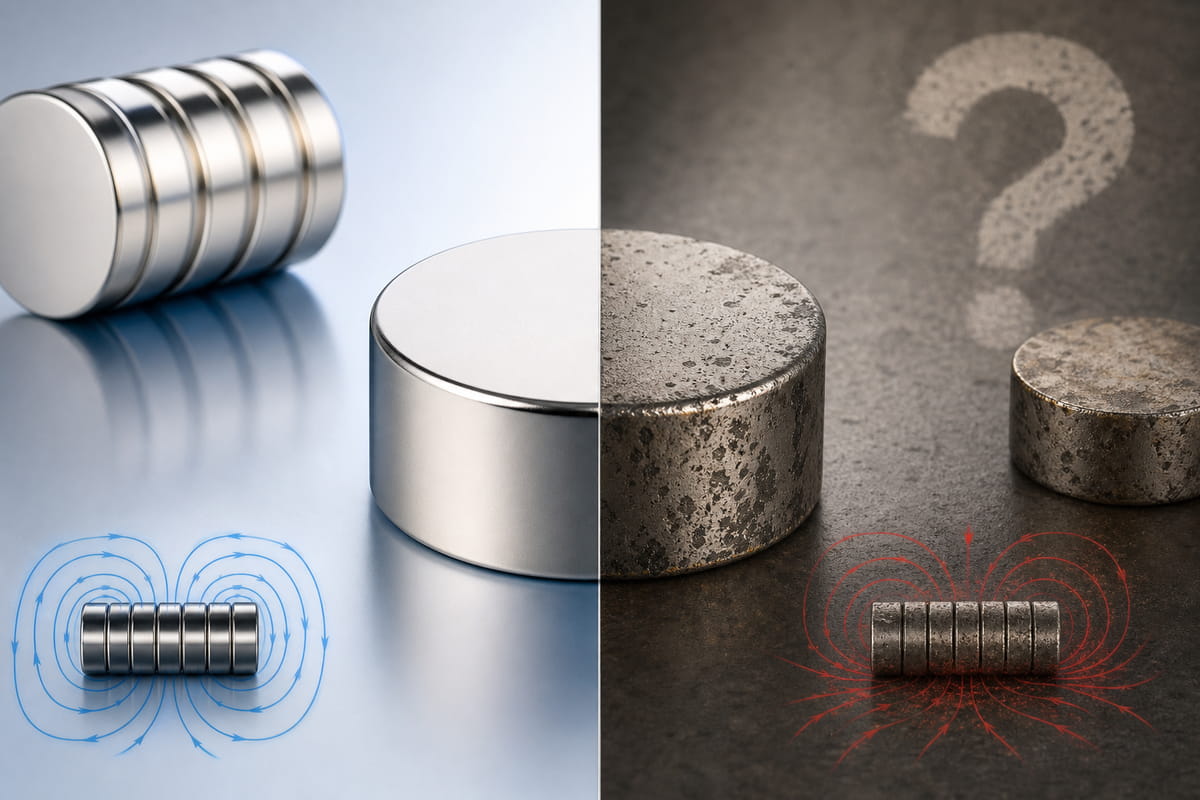
Are neodymium magnets waterproof? This is one of the most common questions I get from customers who are using these incredibly strong magnets in their projects. And if you’ve been wondering the same thing, let me give you the short answer right now: No, standard neodymium magnets are absolutely NOT waterproof.
But hat doesn’t mean you can’t use them in wet environments. You just need to know exactamente what you’re working with and how to protect your investment. Today, as a professional fabricante de imanes de neodimio a medida, I’m going to break everything down so you can use neodymium magnets safely in any environment.
¿Te parece bien? Vamos a ello.
What Happens When Neodymium Magnets Get Wet?
Here’s the thing about neodymium magnets: they’re made from an alloy of neodymium, iron, and boron (also known as NdFeB magnets). And that iron content? It’s a real problem when it comes to moisture.
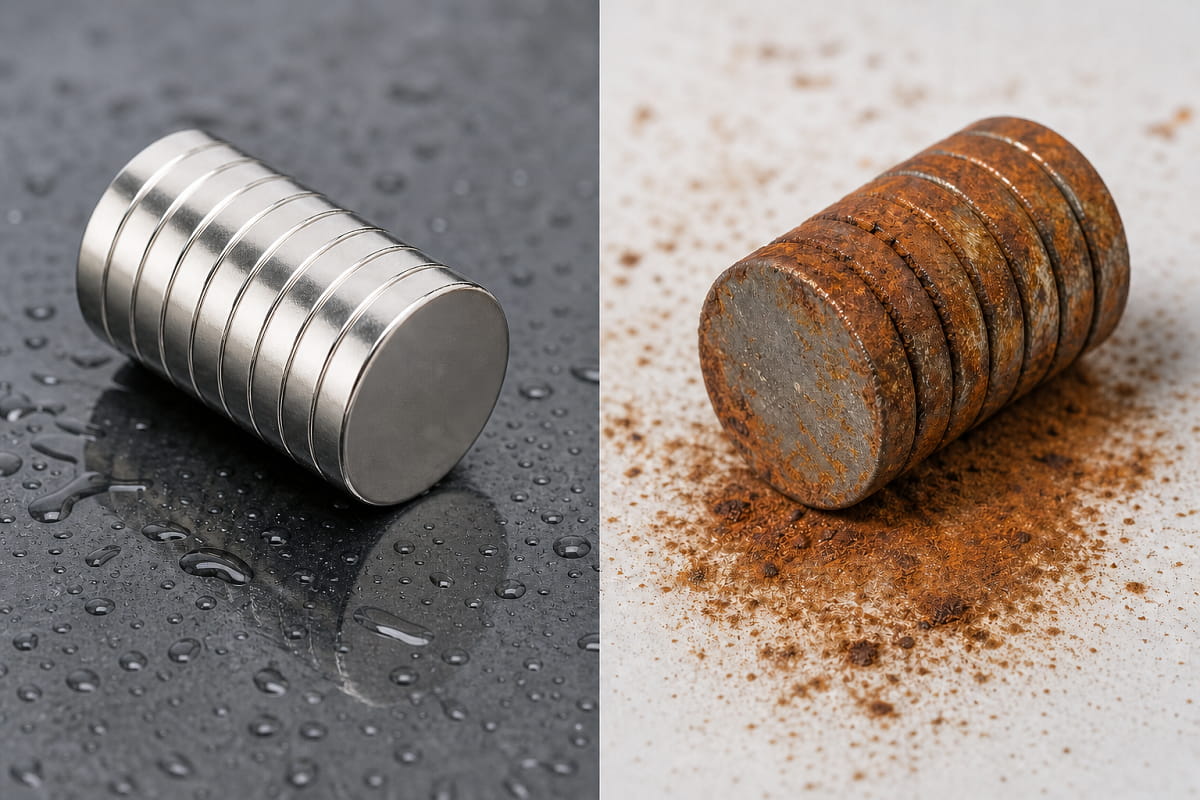
When you expose a standard neodymium magnet to water, you’re essentially setting up the perfect conditions for rust and corrosion. The iron in the magnet reacts with oxygen and water to form iron oxide—what we commonly call rust. And trust me, this isn’t pretty.
I’ve seen countless examples of neodymium magnets that were used outdoors or in humid conditions without proper protection. Within weeks, they started showing signs of corrosion. A few months later? They were literally crumbling into powder.
Consejo de experto: Even if you don’t submerge your magnets in water, high humidity can cause problems over time. Moisture in the air is enough to start the corrosion process.
Why Do Neodymium Magnets Rust So Easily?
It all comes down to chemistry. Neodymium magnets are composed of:
- Neodimio (Nd) – around 29-35%
- Hierro (Fe) – roughly 64-69%
- Boro (B) – about 1-2%
That’s a LOT of iron. And iron loves to oxidize when it comes into contact with oxygen and moisture. It’s basically a magnet for rust (pun intended).
Even the standard nickel-copper-nickel plating that most industrial magnets come with will degrade over time in wet environments. This triple-layer coating provides decent protection for everyday use, but it’s not designed for prolonged exposure to water.
In my experience, even a small amount of water, like condensation or high humidity, can cause rust to form on the surface of these magnets. And once that rust starts, it will eventually compromise the structural integrity of the magnet itself.
Can You Use Neodymium Magnets Underwater?
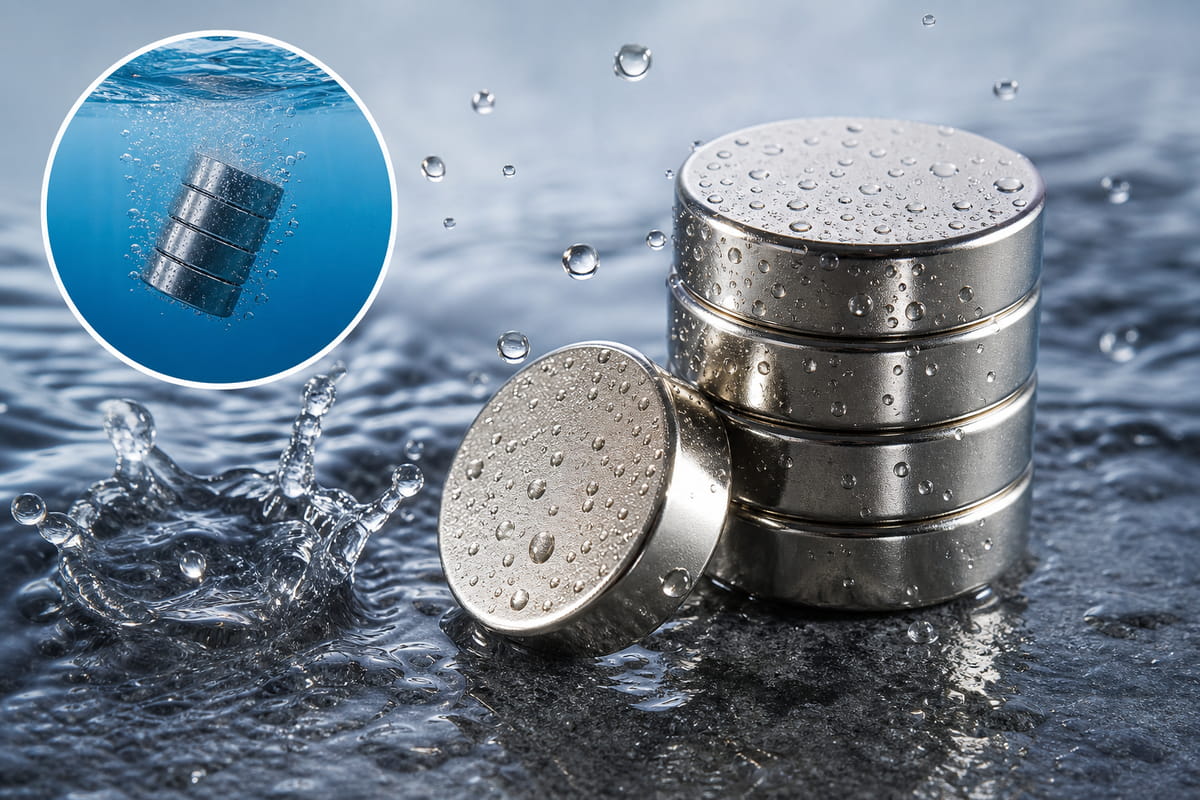
Are neodymium magnets waterproof enough for underwater use? The short answer is no—unless you choose specially protected versions.
Let’s say you want to use a magnet for a coral frag rack in your aquarium, or maybe you’re building an underwater sensor. Standard nickel-plated neodymium magnets will fail in these environments. Period.
One study I came across recently showed that even “high-quality” nickel-plated magnets showed signs of corrosion after just 48 hours of saltwater exposure. And we’re talking about magnets from reputable manufacturers, not cheap knockoffs.
¿En resumen? If you need to use a neodymium magnet in a wet, outdoor, or submerged environment, you absolutely MUST use a specially protected version.
How to Protect Neodymium Magnets from Water and Rust
Here’s where things get interesting. While standard magnets aren’t waterproof, there are several excellent ways to protect them. In fact, I’ve been experimenting with different protective methods for years, and here’s what works best.
1. Epoxy Coated Magnets
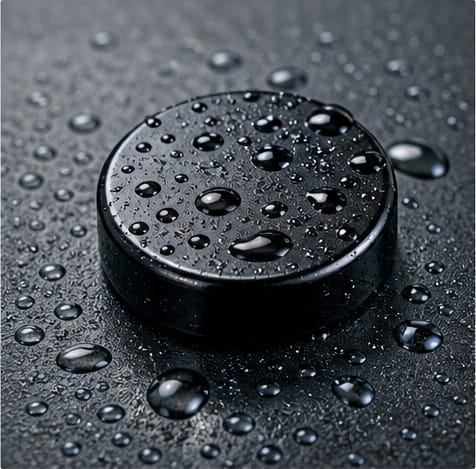
Epoxy coating is one of the most effective ways to protect neodymium magnets from moisture. The black or clear epoxy seal creates a durable barrier that keeps water away from the raw metal.
What I love about epoxy-coated magnets is that they offer excellent corrosion resistance while maintaining most of their magnetic strength. The coating is typically thin enough that you don’t lose too much pulling force.
Use case: These are perfect for outdoor applications, humid environments, and even some underwater uses.
2. Rubber Coated Magnets
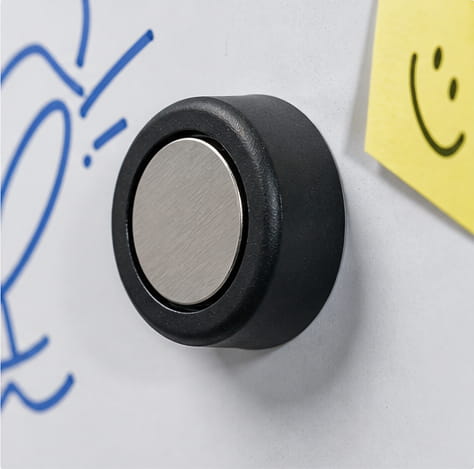
These feature a silicone or rubber jacket that completely encapsulates the magnet. It’s like putting your magnet in a tiny wetsuit.
One of the biggest benefits of rubber-coated magnets is that they also prevent scratching on delicate surfaces. So if you’re using them on a whiteboard or glass board, you won’t have to worry about damage.
Use case: Whiteboards, refrigerators, glass boards, and general indoor/outdoor use where you need extra grip and protection.
3. Plastic Coated Magnets
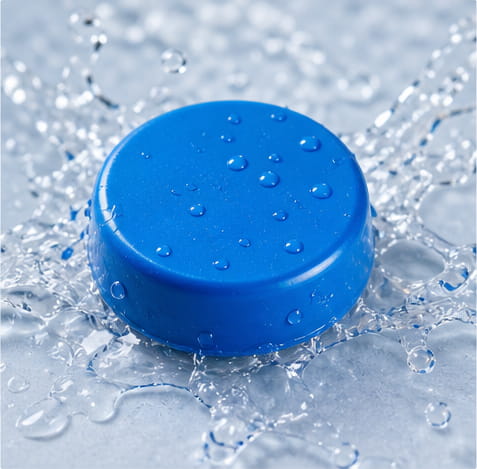
Plastic-coated magnets are another excellent option. These have a layer of ABS plastic or PVC that completely covers the magnet, typically about 0.5-1mm thick.
Here’s something important to keep in mind: the plastic coating does reduce the magnet’s strength slightly. Because the plastic layer adds distance between the magnet and the surface it’s sticking to, you’ll lose some pulling force. I always recommend going with a stronger magnet than your original design calls for when you choose plastic coating.
Use case: Aquariums, marine environments, outdoor signage, and any application where you need complete waterproof protection.
4. Encased or Pot Magnets
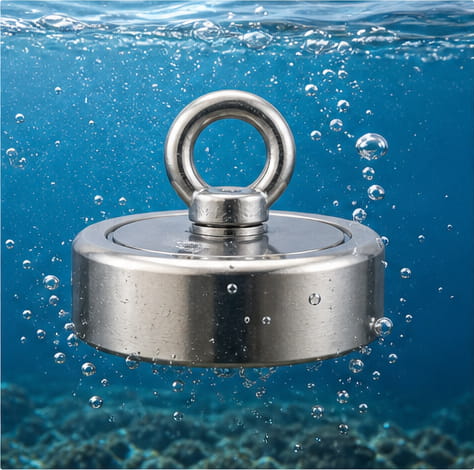
For highly demanding environments like marine applications, encased magnets are the gold standard. These are housed in heavy-duty plastic or stainless steel housings.
Think of it this way: instead of just coating the magnet, you’re putting it inside a protective shell. This provides the highest level of protection available.
Use case: Marine applications, underwater sensors, industrial environments, and medical devices.
The Problem with Saltwater
If you think freshwater is bad for neodymium magnets, saltwater is significantly worse. It’s not just the water—it’s the salt.
Salt accelerates the corrosion process dramatically. The chloride ions in saltwater can penetrate protective coatings that would hold up fine against freshwater. Once they get through, they attack the iron in the magnet aggressively.
In fact, I’ve seen magnets that were perfectly protected in freshwater environments fail within days of being exposed to saltwater. This is why marine applications require the highest level of protection.
So, are neodymium magnets waterproof enough for saltwater? Only if you go with fully encased or pot magnets. Standard epoxy or rubber coatings won’t cut it.
Temperature and Corrosion: A Dangerous Combination
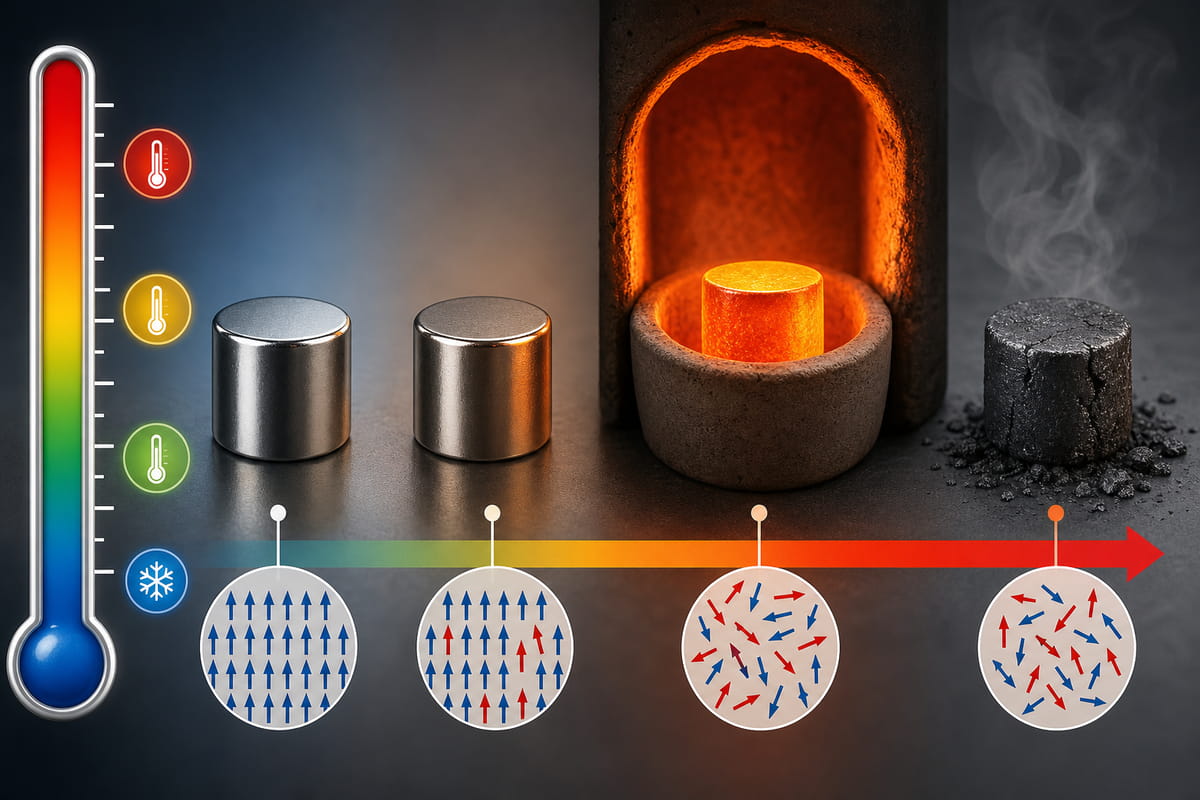
Here’s something many people overlook: temperature can affect how quickly your magnets corrode. Neodymium magnets have a maximum operating temperature of about 80°C (176°F) for standard grades. Push them beyond that, and not only will they lose magnetic strength—but they can also become more susceptible to corrosion.
When magnets are heated, the protective coatings can expand and contract, potentially creating microscopic cracks. Those cracks become entry points for moisture, leading to corrosion from the inside out.
Consejo de experto: If you’re using neodymium magnets in high-temperature or outdoor environments, choose a high-temperature grade and ensure the coating is suitable for those conditions.
Real-World Applications That Need Waterproofing
Let me share some examples of where waterproof neodymium magnets are absolutely essential:
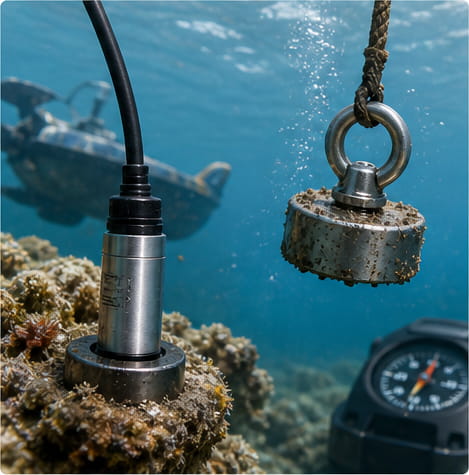
Marine Applications
- Underwater sensors
- Fishing magnets
- Navigation tools
- Boat maintenance equipment

Productos sanitarios
- Encapsulated magnets for use inside the body
- MRI-safe devices
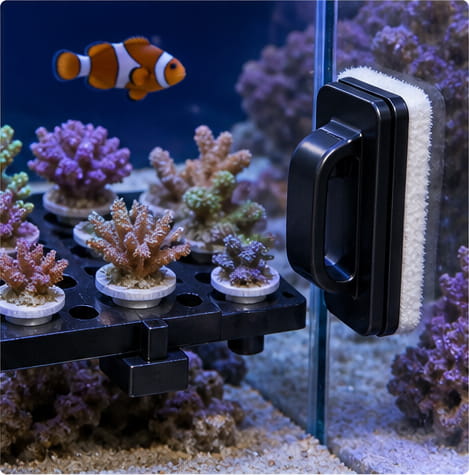
Aquariums
- Coral frag racks
- Cleaning tools
- Feeding equipment
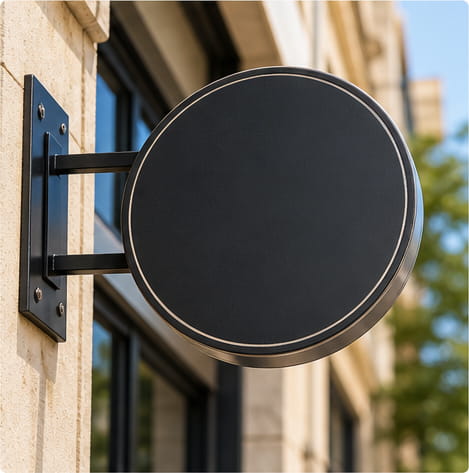
Outdoor Signage
- Storefront signs
- Notice boards
- Magnetic fasteners

Sector del automóvil
- Sensores
- Motores eléctricos
- Hybrid vehicle systems
In each of these cases, using unprotected neodymium magnets would be a disaster. The corrosion would compromise the magnet’s performance, potentially leading to equipment failure or worse.
Does the Coating Affect Magnetic Strength?
This is a question I get all the time. Yes, coatings do reduce magnetic strength—but not as much as you might think.
Here’s the breakdown:
- Epoxy coating: Minimal reduction (2-5%)
- Rubber coating: Moderate reduction (10-15%)
- Plastic coating: More significant reduction (15-25%)
Remember, every millimeter of distance between the magnet and the surface reduces magnetic force. Coatings add that distance. So you need to account for this in your design.
If you’re building something where magnetic strength is critical, I’d recommend starting with a magnet that’s one grade stronger than you think you need. That way, even with the coating, you’ll have the pulling power you require.
How to Choose the Right Waterproof Magnet
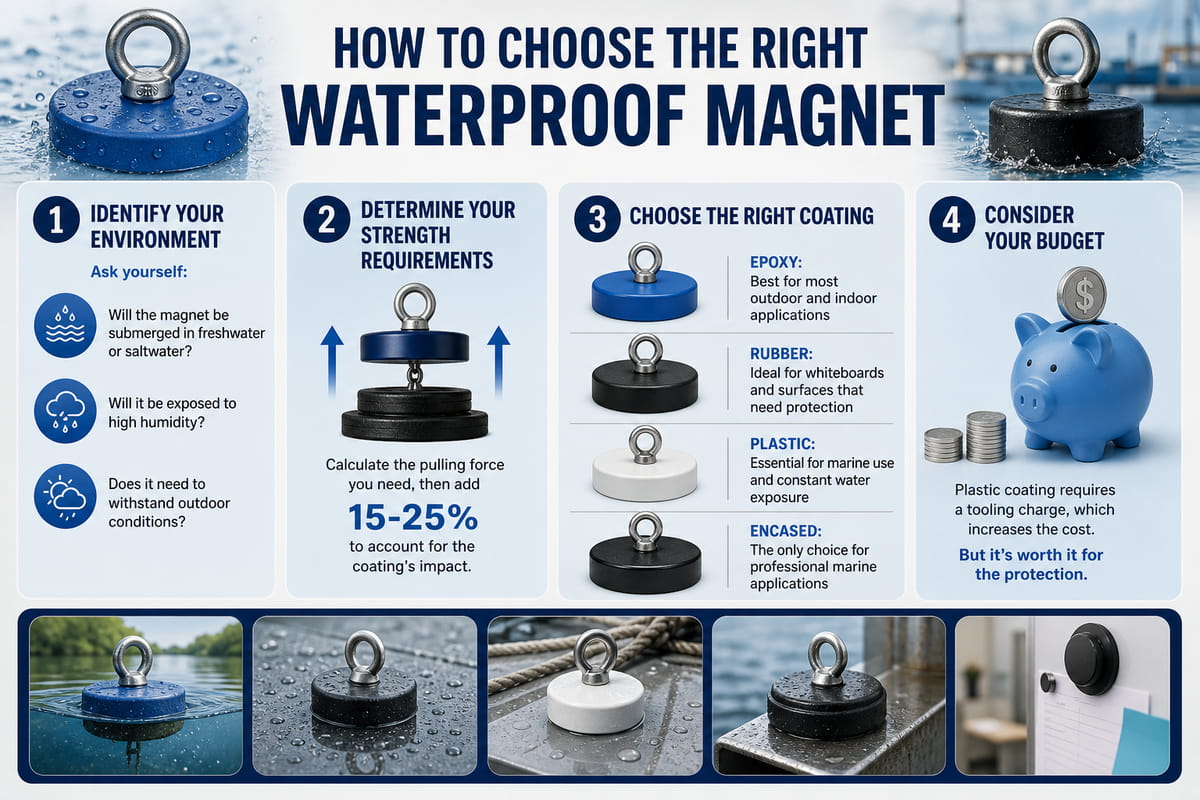
When you’re shopping for magnets, here’s what I recommend:
1. Identify Your Environment
Ask yourself:
- Will the magnet be submerged in freshwater or saltwater?
- Will it be exposed to high humidity?
- Does it need to withstand outdoor conditions?
2. Determine Your Strength Requirements
Calculate the pulling force you need, then add 15-25% to account for the coating’s impact.
3. Choose the Right Coating
- Epoxi: Best for most outdoor and indoor applications
- Rubber: Ideal for whiteboards and surfaces that need protection
- Plastic: Essential for marine use and constant water exposure
- Encased: The only choice for professional marine applications
4. Consider Your Budget
Plastic coating requires a tooling charge, which increases the cost. But it’s worth it for the protection.
Storage Tips to Prevent Corrosion

Even if your magnets are coated, proper storage makes a huge difference. Here’s what I recommend:
- 1. Store in dry, temperature-controlled environments
- 2. Avoid direct exposure to water or chemicals
- 3. Use desiccant packs in storage containers
- 4. Don’t store magnets near strong heat sources
- 5. Inspect coated magnets regularly for damage
Consejo de experto: If you’re storing magnets for long periods, consider coating them with a thin layer of machine oil. It adds an extra barrier against moisture.
The Importance of Buying Quality Magnets
I’ve said it before and I’ll say it again: you get what you pay for.
Cheap, low-quality magnets often have poor coatings that corrode quickly. I’ve seen “waterproof” magnets from budget manufacturers fail within weeks. It’s not worth the savings.
When I’m looking for magnets, I always buy from reputable suppliers who do rigorous testing on their products. It costs a bit more upfront, but it saves money (and headaches) in the long run.
Summary: What You Need to Know
Let’s recap everything we’ve covered:
1. Are neodymium magnets waterproof? No, standard neodymium magnets are not waterproof.
2. Why do they rust? The high iron content reacts with oxygen and moisture to form rust.
3. Can they be used underwater? Yes, but only with special protective coatings or encapsulation.
4. What are the best protections? Epoxy coating, rubber coating, plastic coating, or fully encased magnets.
5. Does saltwater matter? Yes, it accelerates corrosion significantly.
6. Do coatings reduce strength? Yes, but you can compensate by choosing stronger magnets.
Preguntas frecuentes
Q: Can neodymium magnets be used underwater?
A: Standard neodymium magnets will corrode underwater. However, waterproofed or encapsulated magnets can be used in these applications.
Q: Do all neodymium magnets have a protective coating?
A: Most high-quality neodymium magnets have a protective coating, but not all. Always check the specifications before purchasing.
Q: How can I prevent my magnets from rusting?
A: Store them in a dry place, choose coated or encapsulated magnets, and avoid direct exposure to moisture. For storage, keep them in a sealed container with a desiccant pack.
Q: Are all coated magnets waterproof?
A: Not necessarily. Some coatings provide basic protection while others are fully waterproof. Look for coatings specifically labeled as waterproof or corrosion-resistant.
Q: Can I use neodymium magnets outdoors?
A: Yes—but only if they have proper waterproof coatings. Standard magnets will rust when exposed to outdoor conditions.
The Bottom Line on Waterproof Magnets
Here’s the bottom line: are neodymium magnets waterproof? By themselves, absolutely not. But with the right protection, they can perform reliably even in the harshest environments.
Whether you’re building an aquarium setup, working on a marine project, or just need magnets for outdoor use, there’s a solution that works. The key is understanding your environment and choosing the right protection.
If you’re unsure about which magnet to choose for your specific application, I always recommend going with a higher level of protection than you think you need. It’s better to have a magnet that’s over-protected than to deal with the consequences of corrosion down the line.
Consejo de experto: When in doubt, choose plastic-coated or encased magnets. They provide the highest level of protection and will save you from needing to replace magnets that fail due to water damage.
Need More Help?
I’ve been working with magnets for years, and I’ve seen just about every situation imaginable. If you’re still not sure whether the magnets you’re looking at will work for your specific environment, I’m happy to point you in the right direction.